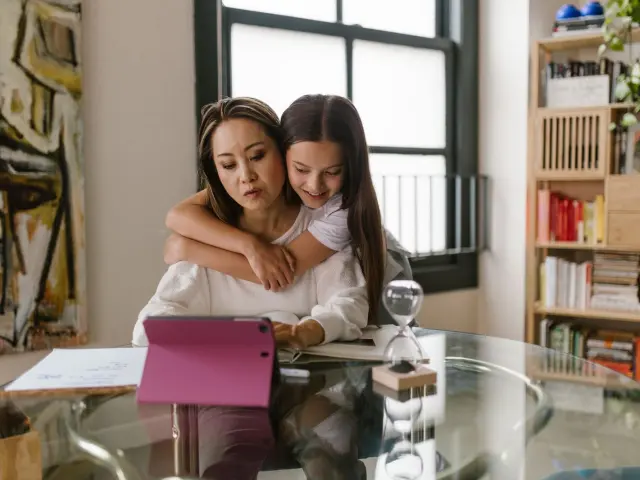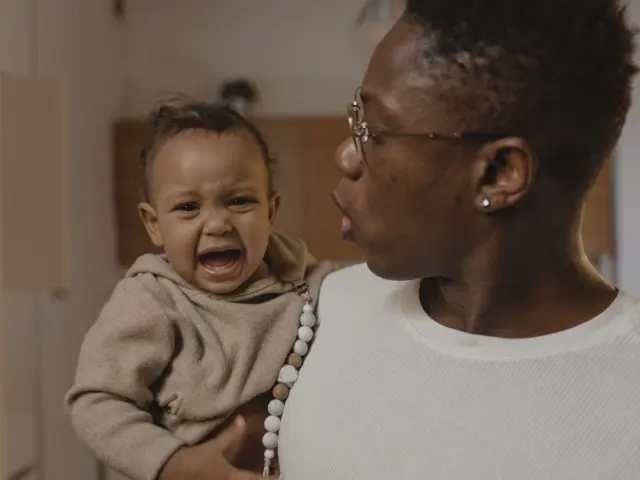
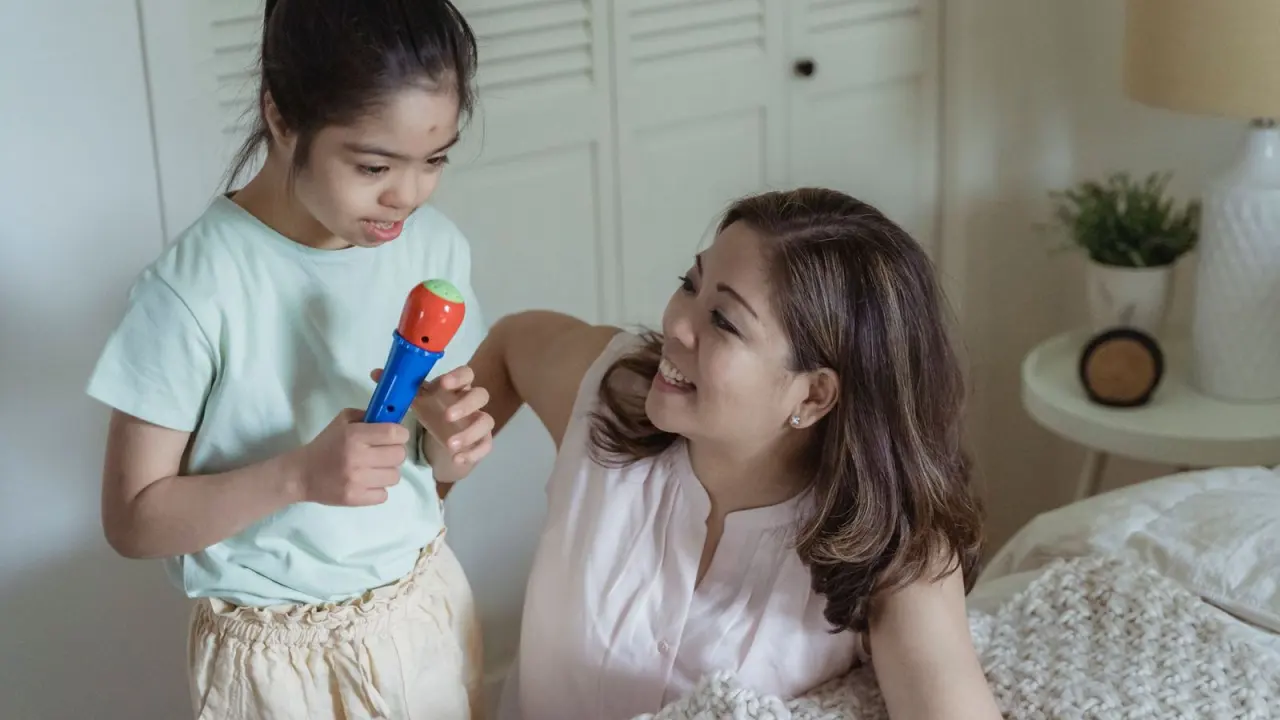
Setting limits without shouting can feel impossible when you’re tired and your child is melting down. Positive discipline works by pairing connection, clear expectations and calm consequences, so your child learns what to do rather than just what to avoid.
You can find more on screens, limits and family routines in our digital parenting section.
| Item | Key fact |
|---|---|
| Daily one-on-one time | 20 minutes a day, or even 5 minutes |
| Realistic quiet-time request | 10 minutes of quiet time during a phone call |
| Teen phone consequence | An hour is realistic; a week may be hard to follow through |
| Expert quoted by UNICEF | Lucie Cluver, Oxford University professor of Child and Family Social Work |
| Shouting and hitting | Do not work and can do more harm than good in the long run |
These figures come from UNICEF’s parenting guide to discipline. Guidance and figures can change, so check the source before you rely on them.
What positive discipline means
According to UNICEF’s parenting guide, the positive discipline approach puts its emphasis on a healthy relationship with your child and on setting expectations around behaviour, rather than on punishment and what not to do.
UNICEF Asia Pacific describes the wider idea of positive parenting in a similar way. Children, it says, learn best when they feel loved, safe and understood, and the approach includes setting clear rules, explaining why they matter and talking about how actions have consequences.
The same page notes that this style is sometimes called gentle parenting. Gentle does not mean limitless: the emphasis is on clear, calm limits that help children feel safe and build confidence.
This guide breaks the approach into three working parts:
- Connection: regular one-on-one time and praise for what goes well.
- Clear expectations: telling your child exactly what you want, in a way they can manage.
- Calm consequences: a warning, then a follow-through you can actually keep.
Why shouting and hitting fall short
UNICEF’s guide states that the evidence is clear: shouting and hitting simply do not work and can do more harm than good in the long run. Professor Lucie Cluver of Oxford University, whom UNICEF consulted, says parents resort to them because they are stressed and don’t see another way. Read the full guide for her reasoning.
The guide also warns about toxic stress. It says the continued stress created by repeated shouting and hitting can lead to higher chances of school dropout, depression, drug use, suicide and heart disease.
UNICEF Asia Pacific makes a related point about strict parenting. It says this style usually comes from love and a desire to protect and guide, but it can leave children feeling anxious, scared or less confident, and it sums up the evidence by saying children grow best when they feel safe and understood, not scared into obedience. Its explainer is a useful read if you grew up with harsher methods.
Build connection first
The first step in UNICEF’s guide is one-on-one time. Professor Cluver says it can be 20 minutes a day, or even 5 minutes, and that you can combine it with a chore such as washing dishes together while you sing. The guide keeps the focus on attention rather than on a perfect activity.
Her advice is to turn your TV off, turn your phone off, get down to your child’s level and give them your full focus. If devices tend to pull attention away at home, a family media plan can set screen-free moments before the next argument starts.
Praise is the other half of connection. The guide notes that children may read your constant calling-out of bad behaviour as a way to get your attention, which can keep poor conduct going. Noticing something good, on the other hand, encourages good behaviour and can reduce the need for discipline.
What connection looks like changes with age:
- Younger children: copy their expressions, bang spoons against pots or sing together. The guide points out that one-on-one time can be fun and is completely free.
- Teenagers: they also seek praise and want to be thought of as good, and one-on-one time still matters to them. Dancing round the room or chatting about a favourite singer builds the relationship on their terms.
Set clear, realistic expectations
Professor Cluver says that telling your child exactly what you want them to do is much more effective than telling them what not to do. A request such as “Please pick up all of your toys and put them in the box” sets a clear expectation and raises the likelihood they will do it, as UNICEF’s guide explains.
Realism matters as much as clarity. Asking a child to stay quiet all day is a stretch, whereas asking for 10 minutes of quiet time while you are on a phone call is manageable; as the guide puts it, if you ask for the impossible, they are going to fail.
With teenagers, the guide suggests inviting them to help make some of the rules. Sit down, agree the household dos and don’ts together, and let them help decide the consequences for unacceptable behaviour.
Use calm consequences you can follow through
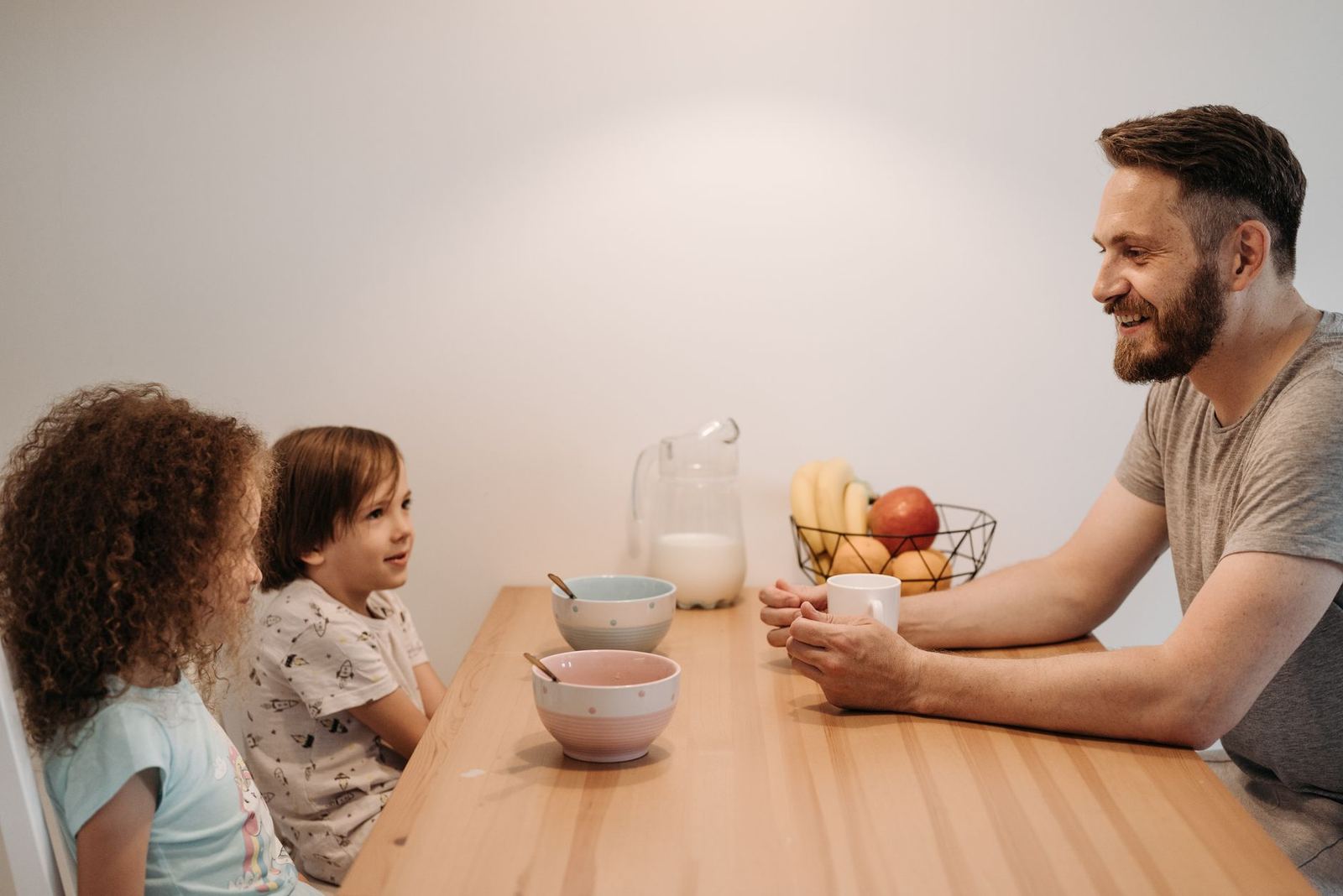
Part of growing up is learning that actions have results. UNICEF’s guide says to give your child a chance to do the right thing by explaining the consequence first. Its example: if your child is scribbling on the walls, tell them to stop or else you will end their play time. The guide frames this as a warning plus an opportunity to change.
In practice, the steps look like this:
- Say clearly what you want your child to do.
- Name the consequence if they don’t, so they have a fair warning.
- If they stop, give them lots of praise.
- If they don’t stop, carry out the consequence calmly and without showing anger.
Consistency is what makes this work, because following through is a key factor in positive parenting. That also means keeping consequences realistic: Professor Cluver notes you can take a teenager’s phone away for an hour, but taking it away for a week might be difficult to follow through on.
For meltdowns in the youngest children, read our guide on how to handle toddler tantrums.
What does positive discipline look like day to day?
UNICEF Asia Pacific contrasts strict and positive responses to everyday moments. When a child spills a drink, the strict reply is to yell and withhold another drink; the positive reply is to say accidents happen and clean up together. The source says this teaches responsibility without shaming or blaming. See the full set of examples.
Prevention helps too. UNICEF’s guide recommends distraction when a child is being difficult, and says you can divert their energy towards positive behaviour by:
- changing the topic;
- introducing a game;
- leading them into another room;
- going for a walk.
Timing counts. Watch for a child starting to become fidgety, irritable or annoyed, or for siblings eyeing the same toy, and step in before it turns into a conflict. This advice comes from the same UNICEF guide.
Frequently asked questions
Is positive discipline the same as being permissive?
Show answer
No. The UNICEF material pairs warmth with firm structure: clear rules, reasons that are explained and consequences that really happen. What changes is the delivery, which is calm rather than frightening, as UNICEF Asia Pacific describes.
How long do I need to spend with my child each day?
Show answer
Short bursts count. According to UNICEF’s parenting guide, what matters most is that your attention is fully on your child, with screens switched off.
What if my child ignores the warning?
Show answer
Do what you said you would do, keeping your tone even. The guide adds that you should give yourself credit for staying calm, because it isn’t easy. A smaller consequence you can repeat beats a big one you can’t enforce.
Does this approach work with teenagers?
Show answer
Yes, with adjustments. Let them share in shaping the rules and the consequences, keep praising what they do well, and find time together that suits them, as UNICEF’s guide suggests.