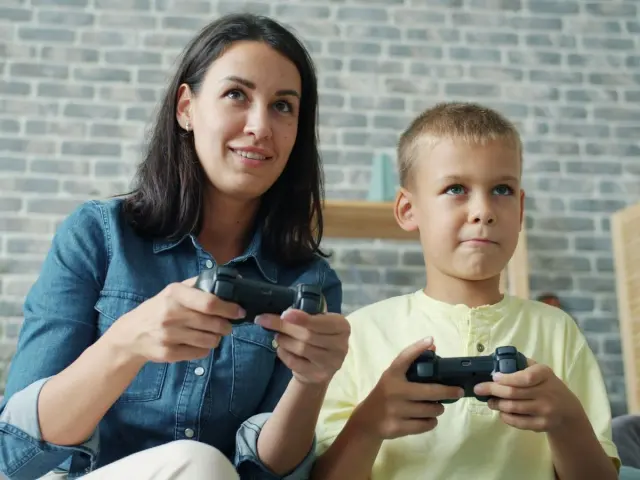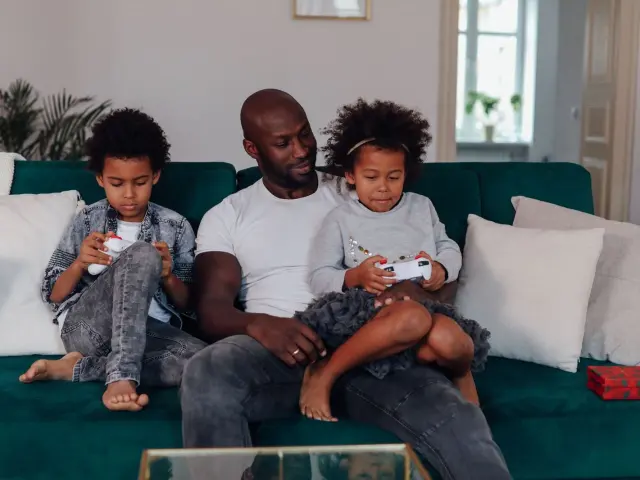
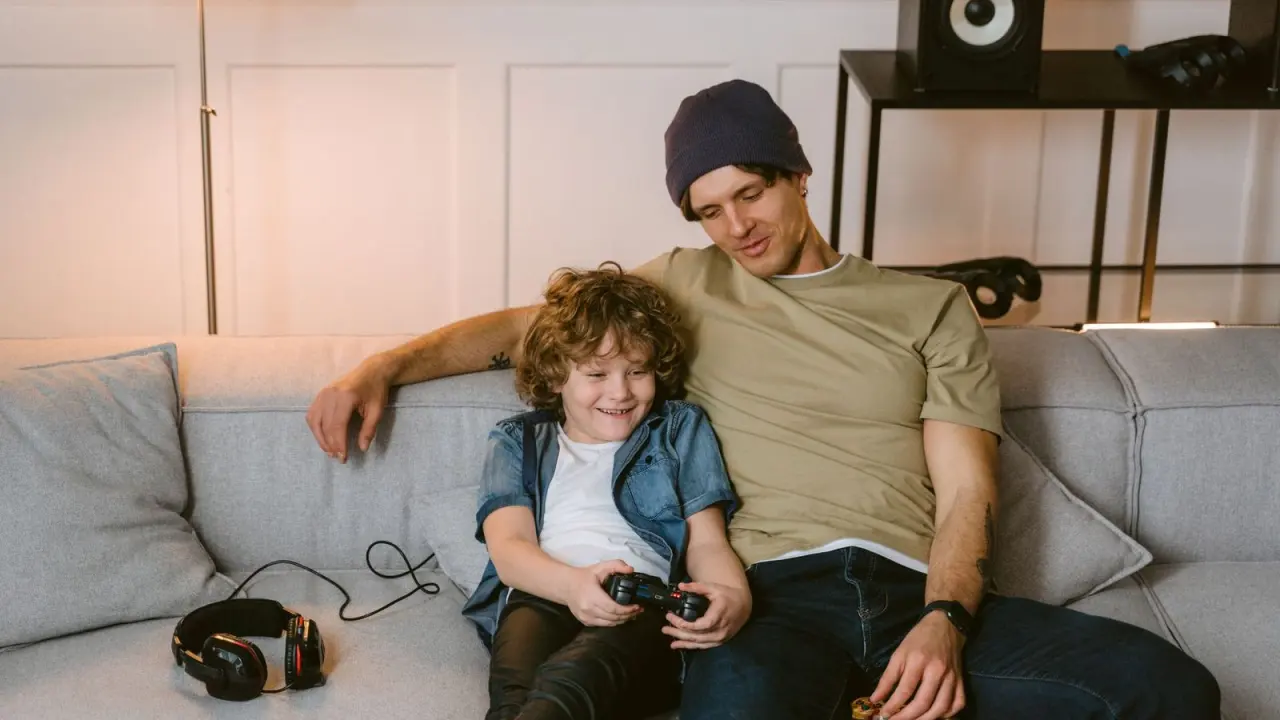
Worried your child is losing hours to a screen? The signs of gaming addiction in children aren’t about time alone: look for lost control, dropped interests and gaming that carries on despite real problems at home or school.
If you want the wider picture on play, rules and safety, start with our parents guide to video games.
| Item | Value |
|---|---|
| Time a gaming pattern is normally evident before a diagnosis | At least 12 months |
| Adolescents whose symptoms worsened in a 6-year study | About 10% |
| Group more likely to show unhealthy gaming in that study | Boys |
| People who game and develop gaming disorder, per WHO | Only a small proportion |
The figures come from the WHO gaming disorder FAQ and HealthyChildren.org. They can change, so check the sources before you rely on them.
What problem gaming actually means
Heavy play and a real problem are not the same thing. The WHO’s ICD-11 defines gaming disorder as a pattern with three features, according to the WHO FAQ:
- Impaired control over gaming.
- Gaming taking priority over other interests and daily activities.
- Gaming continuing or escalating even when it causes negative consequences.
For a diagnosis, the WHO page says the pattern must seriously impair personal, family, social, educational or other areas of life. It would normally have been evident for at least 12 months. Studies it cites suggest gaming disorder affects only a small proportion of people who game.
That matches the reassurance from HealthyChildren.org: most children and teens who play video games do not become addicted or have other problems. The task is to notice when play starts crowding out the rest of life.
Warning signs you may notice at home
Watch for changes in behaviour rather than a number on the clock. HealthyChildren.org lists these signs of unhealthy gaming:
- Seems obsessed with gaming and becomes sad, irritable or anxious when it is taken away.
- Wants more and more gaming and cannot cut down or quit.
- Loses interest in activities they used to enjoy.
- Lies about how much time they spend gaming.
- Uses gaming to relieve a bad mood.
The AACAP Facts for Families sheet, dated October 2024, adds the knock-on effects of excessive gaming:
- Less time with friends and family, and poorer social skills.
- Time taken from schoolwork and other hobbies, with lower grades.
- Reduced reading and less exercise, sometimes with weight changes.
- Decreased sleep or poor-quality sleep.
- Aggressive thoughts and behaviours.
Sleep, school and mood are often the first places a problem shows up. A child who is tired, slipping behind and snappy when asked to log off deserves a calm conversation, not a lecture.
How much gaming is too much?
The AACAP sheet says adolescents play an average of 1-2 hours daily, with boys averaging twice as much as girls. It also says that in moderation, age-appropriate games are typically enjoyable and healthy.
So hours alone do not settle the question. The WHO advises people who game to stay alert to their time spent, especially when it pushes out other daily activities or coincides with changes in physical or psychological health.
Some children do struggle. In a 6-year study reported by HealthyChildren.org, about 10% of adolescents had symptoms of unhealthy gaming that got worse over time. The American Psychiatric Association notes that games can be very entertaining and easy to get absorbed in, and asks whether they can be addictive.
Who may be more at risk
In the study HealthyChildren.org describes, the children with worsening symptoms were more likely to be boys. They also played at the expense of homework, sleep, exercise or relationships with family and friends. They may have had other difficulties too:
- Depression or anxiety.
- Shyness or aggression.
- Problems with too much cell phone use.
Children with ADHD may be particularly vulnerable, the same page says. Research suggests gaming, like gambling, may activate the brain’s reward system, and companies often hire psychologists to help design games that keep players playing.
These are patterns, not predictions. A child with several of them can still game in a healthy way, and a child with none can still need support.
What you can do at home
These steps draw on guidance from HealthyChildren.org and AACAP:
- Build a family media plan, and think carefully about which activities gaming might be displacing.
- Set clear rules about game content and playing time, both in and outside the home.
- Keep gaming in public areas of the home rather than the child’s bedroom.
- Have games come after homework and chores are done.
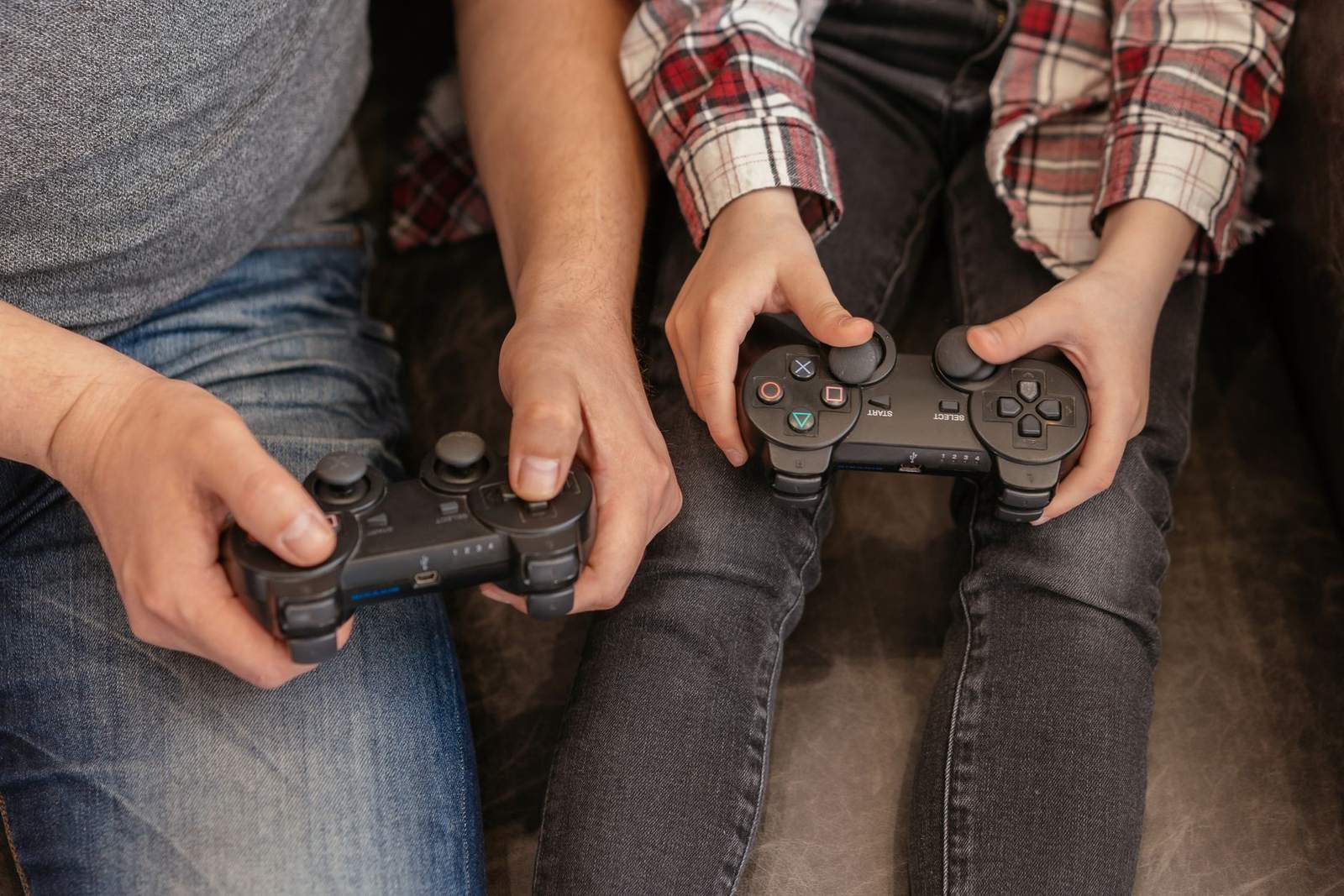
- Play together so you understand the content and can help put limits on time.
- Use console, TV or internet parental controls.
Checking video game age ratings is a sensible first filter. AACAP points out that ratings do not account for conversations with other players inside the game.
HealthyChildren.org also warns that internet games usually have hidden messages and ads, and might collect your child’s personal information. If purchases are part of the pull, read about how to stop kids spending money on games.
Your own habits count as well. HealthyChildren.org says it is okay to get help if you struggle to limit your own play, because it makes it harder to persuade your child to cut back.
When to ask for professional support
If your child resists your efforts to cut back, HealthyChildren.org suggests calling your pediatrician for advice. A pediatrician can recognize when a teen is struggling and help arrange support.
The AACAP sheet says you can also ask a child and adolescent psychiatrist or another qualified mental health professional for help. That applies if you are worried about gaming habits, or if your child is having difficulty with mood or behavior.
Go in as an ally. Ask about the games they love, listen first, and describe what you have noticed, such as missed sleep or dropped hobbies, without labelling your child.
Frequently asked questions
Is gaming addiction an official diagnosis?
Show answer
The WHO’s ICD-11 includes gaming disorder with a clinical definition. Its FAQ says only serious harm to daily functioning, usually over an extended period, qualifies. A health professional makes that judgement, not a parent’s checklist.
Does my child have to stop gaming completely?
Show answer
Not necessarily. AACAP says moderate play of age-appropriate games is typically enjoyable and healthy, and the goal is balance with sleep, school, exercise and people.
What if my child hides or lies about play time?
Show answer
Treat it as a signal rather than a verdict, since HealthyChildren.org lists it among the signs of unhealthy gaming. Agree a clear plan together, and if secrecy and conflict continue, talk to your pediatrician.
Should young children play video games at all?
Show answer
AACAP advises avoiding video games for preschool-aged children. HealthyChildren.org adds that young children learn a lot from connecting with other people, so toys, books and crayons are better choices.