
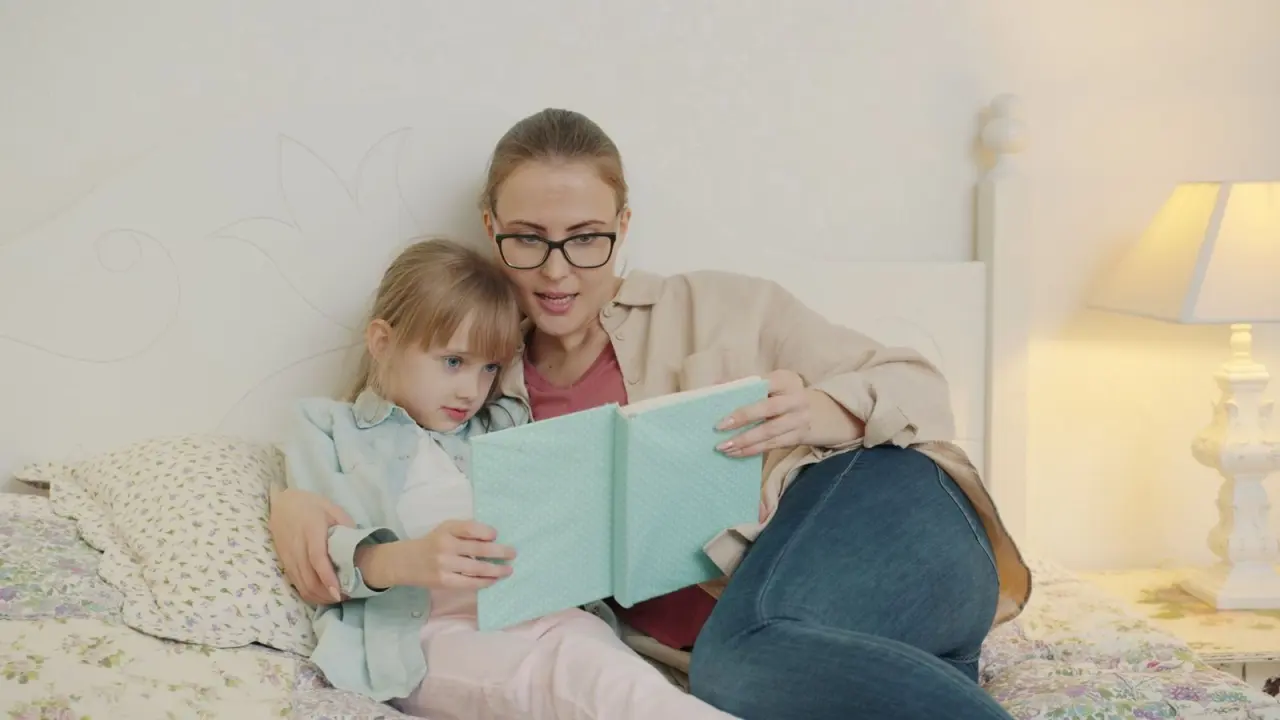
If bedtime feels like a nightly negotiation, you’re not alone. Bedtime routines for kids work best when they’re calm, predictable and start about 30 minutes before your child usually falls asleep.
Screens affect evenings in many homes, so the wider picture sits in the guide to digital parenting.
| Key point | Value |
|---|---|
| Start winding down | About 30 minutes before usual sleep time |
| Move a late bedtime earlier | 5 to 10 minutes each week |
| Screens off before bed | 30 to 60 minutes |
| Sleep for ages 3 to 5 years | 10 to 13 hours including naps |
| Bedroom temperature | Around 18C |
| Weekend wake-up drift | No more than one hour |
These figures come from NHS guidance on sleep and young children and Somerset NHS Foundation Trust’s sleep advice sheet. Guidance can change, so check the sources before you rely on them.
Why a steady routine matters
A routine tells your child’s body and brain what comes next. NHS guidance recommends a calming bedtime routine that happens at the same time and includes the same things every night, so the evening stops being a fresh debate each time (NHS).
The stakes are real. HealthyChildren.org reports that 44% of children don’t get enough sleep for their age, and that kids with regular bedtimes are half as likely to feel tired during the day. The same page links poor sleep to attention problems, behavior issues and mood changes.
Many things can get in the way of a good night. One NHS trust lists overstimulation before bed from certain foods or drinks, screen time or social media, along with worries, bad dreams and an irregular bedtime (Chelsea and Westminster Hospital NHS Foundation Trust).
How much sleep does your child need?
Needs shift with age, so a bedtime that suits a toddler will be too early for a school-age child. The ranges below are a guide rather than a target.
| Age | Typical sleep needed |
|---|---|
| 1 to 2 years | 11 to 14 hours including naps |
| 3 to 5 years | 10 to 13 hours including naps |
| 6 to 12 years | 9 to 12 hours |
| 13 to 18 years | 8 to 10 hours |
The ranges are listed on Somerset NHS Foundation Trust’s sleep advice sheet, so check there before you rely on them.
Work backwards from the morning wake-up time. Count back the hours your child’s age group needs, then leave room for the routine itself.
Building the routine step by step
Begin the wind-down around 30 minutes before the time your child usually falls asleep, as the NHS suggests. One hospital trust allows a longer window, from 30 minutes to 2 hours before sleep, so adjust to what your child needs (Chelsea and Westminster).
Here is a sample evening, adapted from Somerset NHS Foundation Trust:
- An hour before bed, lower the lights, close the curtains and put away technology.
- Offer a light supper or drink if that is already part of your evening.
- Move to quiet activities such as colouring or reading.
- Have a bath if it calms your child, then stay upstairs.
- Change into night clothes and make the toilet the last stop.
- Tuck your child in with cuddles, read a story or play calming music, then say goodnight and leave the room.
Keep the order identical every night, because the sequence itself becomes the signal that sleep is next. A short bedtime phrase can mark the end of the routine, provided you use it every night (Bedfordshire and Luton children’s health service).
Some children find bedtime stressful, particularly neurodivergent children. For them, a visual reminder such as a timetable can help them prepare for each step (Chelsea and Westminster).

If bedtime regularly ends in a meltdown, the advice on how to handle toddler tantrums covers staying calm when a small child pushes back.
Setting up the bedroom and the day
The routine works better in a room designed for sleep. The Somerset sheet suggests using the bedroom for sleep only and never sending a child there as a punishment.
- Temperature: keep the room cool, around 18C (Somerset NHS Foundation Trust).
- Light: use blackout blinds if needed, and choose a red or orange light if your child wants a night light.
- Toys: put them away at night so they don’t become distractions.
- Screens: keep them out of the bedroom, because the blue light can make it hard to sleep.
On screen timing, the NHS says no laptops, tablets or phones in the 30 to 60 minutes before bed. A hospital trust advises 1 to 2 hours (Chelsea and Westminster). Pick the window you can actually stick to, and swap in stories, audiobooks or calm music.
Daytime habits feed into the evening too:
- Skip caffeine after lunch, including fizzy and energy drinks.
- Finish any large meal over an hour before the routine starts.
- Get plenty of exercise through the day, but not right before bed.
- For toddlers, finish naps before 3pm.
Those four points come from the Bedfordshire and Luton children’s health service.
What to do when your child won’t settle
Expect some pushback, and decide your limit in advance. The NHS suggests capping the time you spend at bedtime, for example reading only 1 story, then tucking your child in and saying goodnight (NHS).
If your child gets up, keep taking them back to bed with as little fuss as possible. You may need to repeat this for several nights, so consistency matters more than any single clever trick (NHS).
If bedtime has crept late, shift it gently. The NHS advises bringing it forward by 5 to 10 minutes each week until you reach the time you want.
Weekends can undo the work. Somerset’s sheet says to keep waking times consistent and not to let wake-up vary by more than one hour between weekdays and weekends (Somerset NHS Foundation Trust).
Routines change as children grow. With older children, you may find that agreeing the evening plan together works better than imposing it, and the guide on how to talk to teenagers is a useful place to start.
Frequently asked questions
Is a night light a good idea?
Show answer
For a child who is afraid of the dark, the NHS suggests a night light or a landing light left on. A hospital trust also mentions leaving the door ajar. Both options give comfort without turning the room bright.
What should I do if my child wakes during the night?
Show answer
Keep things dull. The NHS advises being as boring as possible so your child isn’t excited, and leaving the lights off. A calm walk back to bed without conversation helps them drift off again.
Can my child have a snack before bed?
Show answer
A hungry child may do better with a small bowl of cereal and milk, followed by teeth brushing, according to the NHS. A trust also says warm milk or other calming foods may help. Heavy meals close to bedtime are best avoided.
How do I cope with broken sleep myself?
Show answer
Share night duties with a partner, relative or friend if you can, and rest when your child does. Sleep deprivation can have a big effect on physical and mental health, so look after yourself too. A health visitor can suggest further ideas and may point you to a children’s sleep clinic.