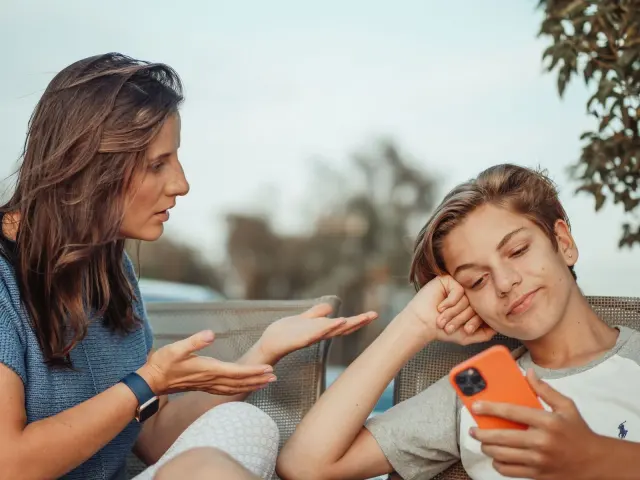

You’ve just found out something painful is happening to your child online, and you’re unsure where to start. Here is what to do if your child is being cyberbullied: stay calm, listen, save evidence, then report.
For wider guidance on screens, apps and family rules, see our digital parenting hub.
| Item | Value |
|---|---|
| Age group where cyberbullying often peaks | 10-13 years |
| Steps in UNICEF’s guide to supporting a child | Five steps |
| Evidence worth saving | Screenshots and screen recordings |
| Age group for discussing legal penalties | 14-18 years |
| Site that guides removal of intimate images | Take it Down |
These points come from UNICEF Parenting’s pieces on talking to your child about cyberbullying and on supporting a child through a negative online experience. Advice and figures can change, so check the source before you rely on them.
What cyberbullying can look like
Cyberbullying covers far more than rude messages. Dr. Sameer Hinduja of the Cyberbullying Research Center, speaking with UNICEF Parenting, lists these common forms:
- Being excluded from a group chat
- Getting messages after telling the sender to stop
- Being threatened by text or message
- Mean comments or names, including about appearance, race, colour, sexual orientation, religion or disability
- Rumours spread online
- Being stalked online
- Personal information shared without permission
Online harm can travel further than a playground insult. Humiliating content on social media can be seen by a very large audience of peers, which increases shame and helplessness, as the same UNICEF interview explains.
The child may also not know who is behind it. That uncertainty can feed social anxiety and pull them away from friends.
How do you recognise the warning signs?
Many children say nothing at first. UNICEF’s guide notes that not every child goes straight to a caregiver, so the first hint may come from a teacher or another parent.
Look for a change from their usual self, such as:
- Becoming withdrawn or upset after using their devices
- Changes in sleep or eating patterns
- Losing interest in favourite activities
- Headaches or stomach aches with no clear cause
- Being unusually secretive about what they do online
- Fear of going to school, or frequent requests to stay home
Both UNICEF pieces describe these signs, and they can also have other causes. A shift that lasts deserves a calm conversation.
Age plays a part too. The UNICEF interview says cyberbullying often peaks in the 10-13 years group, when children begin using social media more independently, and it links being targeted to depression, anxiety, loneliness and physical symptoms such as pain and fatigue (source).
Talk first: stay calm, listen and reassure
UNICEF lays out five steps for supporting a child after a bad online experience: recognise that something went wrong, reassure, take action, find professional help if needed, and protect them in future (UNICEF Parenting). The conversation comes before any report.
- Take a breath before you respond, because your child is watching your reaction.
- Give your full attention, avoid interrupting, and ask open-ended questions. If they mention an app you don’t know, ask them to show you.
- Tell them they were right to come to you, they are not in trouble, and the fault is not theirs.
Dr. Hinduja says to make sure your child feels, and is, safe, and to show unconditional support. Otherwise they may never open up again (UNICEF).
It is tempting to cut off internet access straight away. UNICEF warns that this can leave a child feeling punished and less willing to confide later.
Save evidence, then mute, block or report
Resist the urge to wipe everything. If you may report the incident, UNICEF advises saving messages, images or posts that show what happened, and Dr. Hinduja recommends screenshots and screen recordings.
He also suggests keeping notes on these details, which help when you deal with the school or the platform (source):
- Where it happened
- How often it happens
- How severe the harm is
- Who else was involved or watching
- The backstory behind it
Next, decide on an action with your child. Most social media apps and games have safety and reporting tools, so explore the options together and talk through what mute, block or report would involve (UNICEF).
If a company never replies or the problem isn’t fixed, UNICEF suggests escalating the report. For intimate images, the same guide points to the Take it Down website.

Working with the school and the police
If a schoolmate is involved, ask whether the school has a bullying policy and whether it covers online behaviour. Dr. Hinduja says schools are responsible for keeping children safe in their learning environment through investigation and response (UNICEF).
Share your evidence and ask how the school will respond without making things worse for your child. UNICEF says discipline should be non-violent and aim to correct the behaviour, not humiliate anyone.
When the harassment also happens face to face, our guide on what to do if your child is being bullied may help you plan next steps.
If you have any concern for your child’s safety, do not wait. The same UNICEF guide says to contact the police, other authorities or a local child protection organisation that can give immediate support.
Supporting your child in the weeks afterwards
Keep checking in on how they feel, but without returning to the incident every time. UNICEF suggests encouraging activities away from social media, such as:
- Spending time with friends
- Reading
- Playing sports
- Practising a musical instrument
If a change in mood or behaviour lasts, UNICEF says to consult a primary health care provider. Many countries also run a free, anonymous helpline, and Child Helpline International and United for Global Mental Health can point you to one.
Teens in the 14-18 years group need room to build their own skills. The UNICEF interview suggests practising social skills with them, discussing the school-based, civil and criminal penalties that may follow cyberbullying where you live, and respecting some privacy while staying involved (source).
Once things settle, our guide to social media safety for teens is a sensible next read for setting up safer habits together.
Frequently asked questions
Should I take my child’s phone away?
Show answer
Usually not as a first move. A child may read removal of the device as a penalty and hide future problems, according to UNICEF. Listening and looking at the app together tends to work better.
Should I delete the abusive messages?
Show answer
Hold off. Even if deleting feels like making the problem disappear, saved copies give an app, a school or the police something concrete to act on (UNICEF).
Who can I report cyberbullying to?
Show answer
Depending on how serious it is, UNICEF names the app where it happened, your child’s school and the police (source). Sometimes a child simply needs someone to listen.
Where can my child talk to someone anonymously?
Show answer
Many countries have a free helpline for children. UNICEF points families to Child Helpline International and United for Global Mental Health to find one locally.
What if my child doesn’t want to talk about it?
Show answer
Don’t take it personally. UNICEF notes that a child may feel embarrassed or scared about how you’ll react, so keep reminding them that they can come to you or another trusted adult (source).